Why Seedlip Changed the Market But Didn't Finish the Job
Seedlip proved the market exists. A decade later, the question is why it stopped innovating — and who fills the gap.
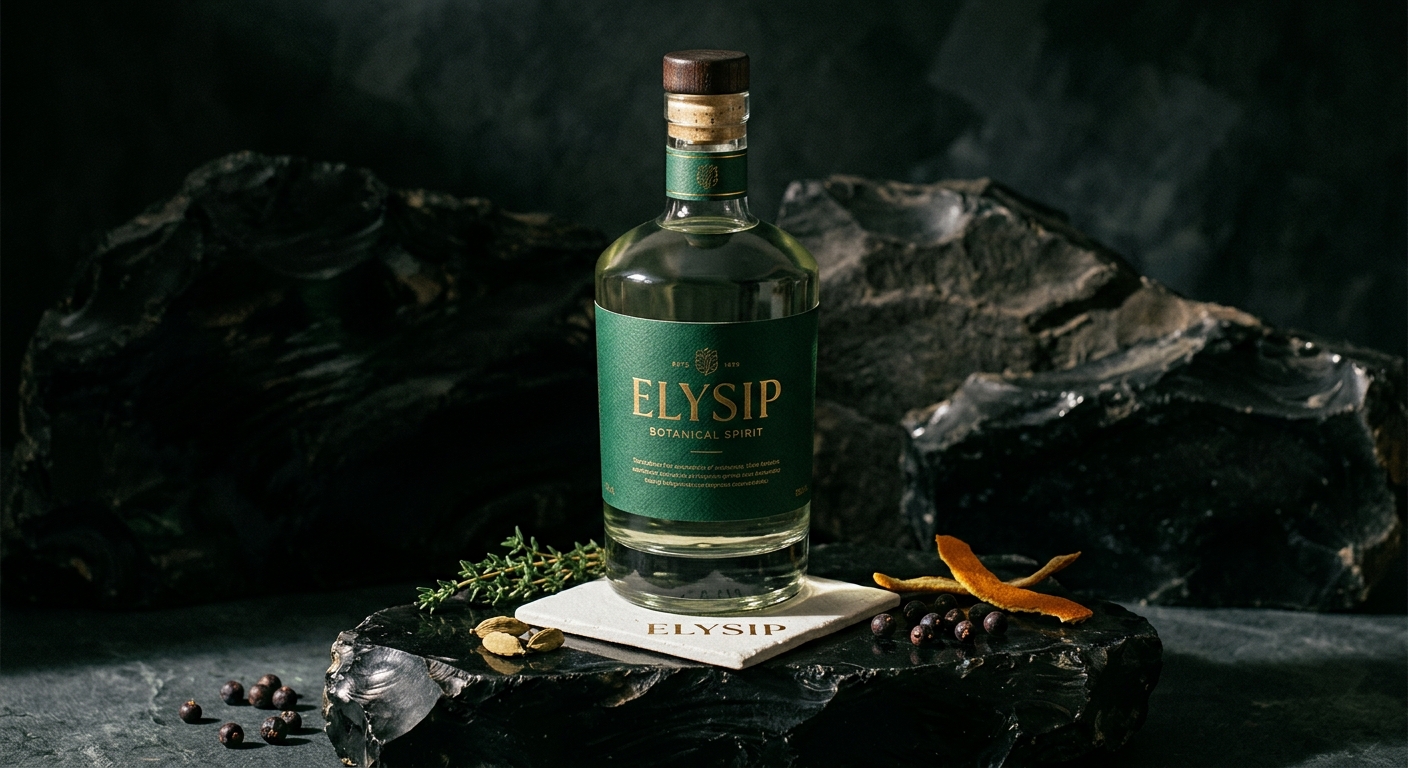
In November 2015, Ben Branson sold a single batch of Seedlip at Selfridges. It sold out in three weeks. The feat was repeated — sold out in 30 minutes. The world’s first distilled non-alcoholic spirit had arrived, and the market responded with a clarity that surprised everyone, including Branson.
A decade later, that same market response — urgent, hungry, directional — has not been matched by the product that triggered it.
The Mouthfeel Problem
Ethanol does three things in a spirit that water cannot replicate: it creates viscosity (the weight you feel in your mouth), it generates a thermal sensation (the warmth that reads as complexity), and it carries volatile aromatic compounds (the nose that arrives before you taste anything). Remove ethanol without replacing these functions, and you do not have a simplified spirit. You have a botanical infusion.
Consumer reviews of Seedlip are remarkably consistent across a decade: ‘herb water,’ ‘spa cucumber juice,’ ‘flat,’ ‘needs more bite.’ These are not marketing problems. They are molecular problems. Seedlip’s copper-pot distillation is sophisticated relative to tea-making, but it uses no terpene-preservation technology — no Spinning Cone Column, no supercritical CO2, no cavitation. The result is an authentic process producing a structurally limited product.
Diageo acquired a majority stake in Seedlip in 2019 and full ownership by 2022. This is when the innovation window closed.
The Corporate Calculus
When Diageo absorbed Seedlip into its portfolio, the brand’s incentive structure shifted. The pioneer’s imperative — push boundaries, break category conventions — was replaced by the corporation’s imperative: protect margin, scale distribution, manage portfolio.
The result is visible in Seedlip’s product development since 2019: incremental flavor iterations, barware collaborations, cocktail recipes. No breakthrough in extraction technology. No investment in the molecular architecture that would justify a serious price premium. No technical narrative beyond ‘distilled with botanicals.‘
The Question Seedlip Didn’t Answer
The question ‘what do you drink when you’re not drinking?’ has been asked and partially answered. But a more interesting question remains unasked by every major brand in the category:
What do you drink when you want to drink better?
This is not a sobriety question. It is a discernment question. The No-Lo market is forecast to expand 36% by 2029. The $4 billion in projected growth will not flow to brands that solved the 2015 problem. It will flow to brands that solve the 2026 problem: how do you deliver genuine sensory complexity, technical provenance, and luxury narrative in a zero-alcohol format?
The market Seedlip created is now too large for Seedlip to lead.