
Hydrodynamic Cavitation: The Physics of Aromatic Artistry
The precise physics of hydrodynamic cavitation — how bubble collapse refines aromatic compounds like linalool and pinene without thermal degradation.
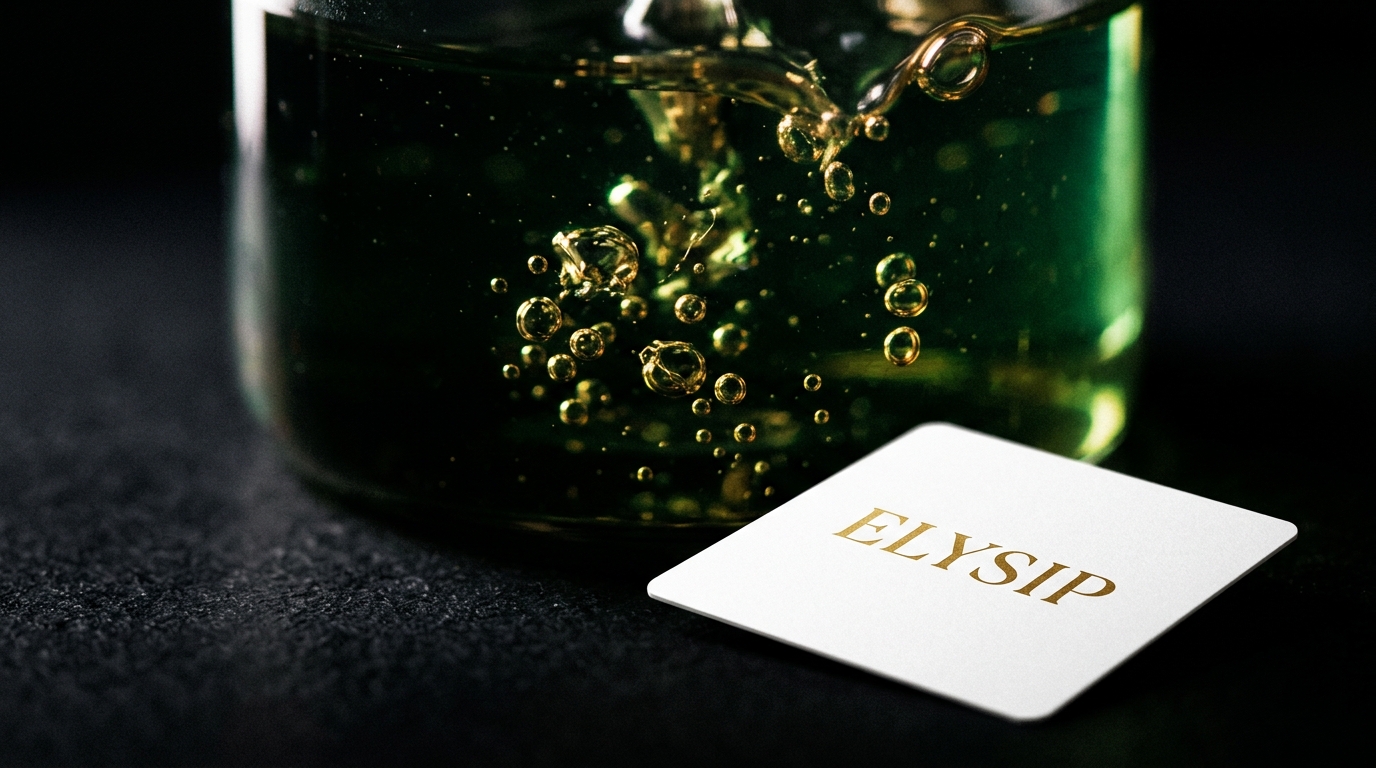
Imagine the absolute stillness that follows a sudden, violent pressure wave. Inside the dark heart of an extraction chamber, a silent storm unfolds — millions of microscopic vapor bubbles swell and instantly collapse, releasing a shockwave of pure energy. There is no heat here, no scorching fire to burn the delicate botanical essences, only the cool, kinetic force of water tearing itself apart at a molecular level. What remains is a liquid of astonishing clarity, holding the fragile green whisper of a mountain forest. It is the taste of a quiet revolution, captured at the exact threshold where physics becomes poetry, and liquid transforms into art.
The Science Behind It
Hydrodynamic cavitation is a highly sophisticated extraction method that replaces traditional, destructive thermal distillation. While heat degrades volatile aromatic compounds, cavitation utilizes controlled fluid dynamics to achieve a different order of purity. Liquid is forced through precise micro-apertures at extreme velocity, causing a sudden drop in localized pressure. This drop generates millions of microscopic vapor cavities. When these micro-bubbles enter an area of higher pressure, they implode within nanoseconds. The resulting localized shockwaves generate immense shear forces, fracturing the cell walls of botanicals without raising the overall temperature of the system.
In this cold, kinetic environment, delicate terpenes such as linalool and pinene are liberated intact, preserved in their most pristine, unadulterated states. By bypassing the thermal degradation that plagues conventional spirits, this technique captures the true, living essence of the plant. The process operates with micro-millimeter precision, ensuring that the structural integrity of every aromatic molecule remains perfectly balanced — delivering a liquid with a sharp, defined structure that resonates on the palate with clarity and technical sophistication.
This hydrodynamic force acts as a non-thermal molecular knife, carving out the exact sensory compounds desired while leaving behind heavy, bitter tannins that would otherwise cloud the final profile. The result is exceptionally clean — an embodiment of what technical luxury means in liquid form.
The Ritual
To fully appreciate the sensory output of hydrodynamic cavitation, the serving ritual must be approached with deliberate focus. Chill the liquid to exactly eight degrees Celsius in a thin-rimmed crystal glass that allows the volatile aromatic compounds to concentrate at the surface. Do not overwhelm it with heavy garnishes — instead, express a single twist of organic lemon peel over the glass to release a light mist of essential oils that complements the green-herbal core.
As the liquid catches the light, observe its absolute transparency — a visual testament to the microscopic precision of the cavitation process. Take a slow, deliberate sip, letting the liquid coat the palate. Notice how the crisp, herbaceous notes emerge in distinct, orderly waves rather than a chaotic burst. The finish is remarkably clean, leaving a lingering sensation of mountain air and damp earth. By keeping the service minimalist, you honor the structural clarity of the liquid. The absence of heavy sugars or artificial stabilizers ensures that every nuanced layer — from the initial citrus spark to the deep herbal undertones — is experienced exactly as the extraction intended.
The Ingredient Spotlight
The green-herbal profile characteristic of cavitation-extracted distillates is anchored by a carefully selected matrix of botanicals, rich in specific terpene compounds that thrive under this cold process. Chief among these is pinene, which delivers a sharp, bracing aroma of fresh pine needles and damp forest floor, evoking a sense of clean, open space. This is balanced by terpinolene, which introduces a subtle, sweet herbal undertone with hints of citrus and pine, adding depth and complexity to the mid-palate. Ocimene contributes a bright, green, almost tropical herbaceousness, while sabinene lends a delicate, woody spice that lingers softly in the background.
Conventional distillation methods scorch these delicate molecules, turning the bright green notes into heavy, cooked vegetal flavors. Through cavitation, the delicate molecular bonds of these terpenes remain undisturbed. The result is a vibrant, living botanical tapestry that feels incredibly fresh — as if the plants were harvested mere moments before reaching the glass. This precise preservation of the green-herbal spectrum is what distinguishes a technically sophisticated No-Lo distillate from everything else on the shelf.
In the end, hydrodynamic cavitation is an invitation to experience liquid through the lens of modern science and quiet luxury. By mastering the violent, beautiful physics of the imploding bubble, a new realm of sensory appreciation becomes possible. It is a tribute to the power of restraint — where what is omitted is just as important as what remains.