
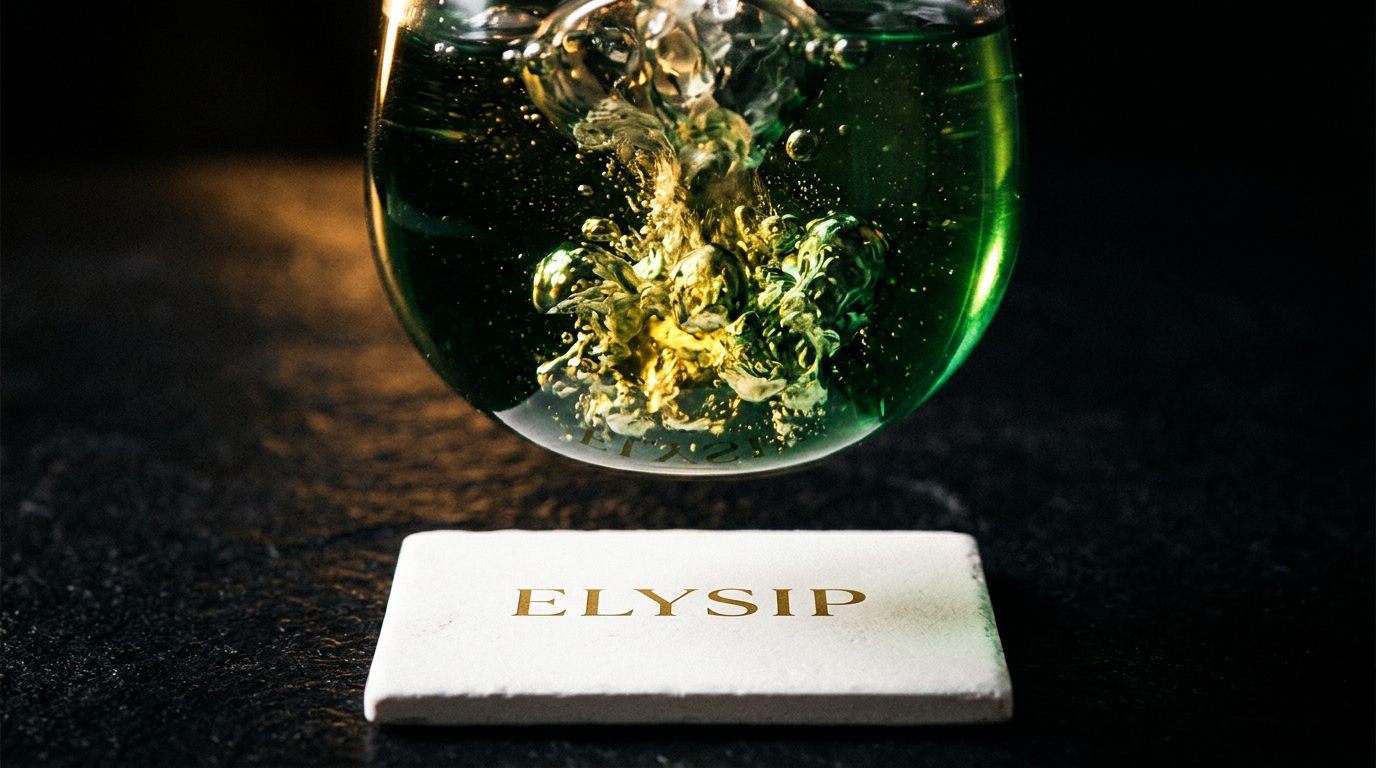
Alchemy of Bubbles: Extracting Green Purity
Hydrodynamic cavitation — a precise method harnessing micro-bubbles to extract delicate botanical essences without heat. The science behind green purity in premium No-Lo.
What does silence taste like when it is compressed, suspended, and then suddenly released? Imagine a cold, dark room where the air is thick with the scent of damp earth and crushed pine needles. A singular glass vessel sits on a black slate plinth. Inside, a pale green liquid rests, entirely still. There is no steam, no condensation, no visible movement. Yet, when the liquid touches the tongue, it explodes with the sharp, electric clarity of a sudden summer thunderstorm. It is the taste of absolute coldness, of botanical cells ruptured not by fire or boiling water, but by the sheer, quiet force of imploding micro-bubbles. This is the sensory threshold of pure, unheated capture.
The Science Behind It
To achieve this level of crystalline definition, the most advanced No-Lo producers bypass traditional thermal distillation entirely. Heat is the great homogenizer — it dulls the bright top notes of delicate plants and cooks the fragile aromatic compounds until they lose their vital green character. The alternative is hydrodynamic cavitation — a process of molecular alchemy that operates in the realm of pressure rather than temperature.
Inside a custom-designed reactor, controlled liquid flow creates localized pressure drops, generating millions of microscopic vapor bubbles. Within microseconds, these micro-bubbles collapse with immense speed. This implosion generates intense shear forces and localized shockwaves on a microscopic scale, cleanly fracturing the cellular membranes of fresh botanicals without introducing thermal degradation. Because the bulk temperature of the liquid never rises, heat-sensitive terpenes remain entirely intact, preserved in their native, raw state. The process extracts the true, undistorted spirit of the plant — capturing volatile compounds that would otherwise escape into the atmosphere or degrade under thermal stress. The resulting liquid is not a cooked reduction, but a liquid translation of a living plant, preserved at the exact moment of its peak vitality.
The Ritual
Experiencing a liquid born of hydrodynamic cavitation requires a deliberate slowing of tempo, a conscious alignment of the senses. Pour thirty milliliters into a chilled, stemless crystal tumbler. Do not introduce ice immediately — allow the liquid to adapt to the ambient temperature of the room for a brief moment. Observe the clarity — it possesses a faint, luminescent green hue, a visual testament to the chlorophyll and intact terpenes preserved within.
Bring the glass to the nose. The aroma does not drift lazily; it rises with a sharp, vertical intensity, immediately filling the senses with notes of fresh-cut stems and crushed herbs. Take a small sip and hold it on the front of the tongue. Cold extraction delivers a distinct texture — a velvety weight that coats the palate without any syrupy residue. Only then, add a single, hand-carved sphere of clear ice. As the temperature drops slightly, watch how the liquid opalesces, releasing a second wave of delicate, woody aromas that linger long after the liquid has been swallowed, leaving a clean, crisp finish that invites contemplation.
The Ingredient Spotlight
The soul of a green-herbal cavitation extract lies in its precise terpene configuration. At the core is terpinolene — a terpene that delivers a fresh, pine-like resinous quality grounded by a subtle woody undertone that evokes the scent of ancient forests. Working in tandem is ocimene, which introduces a sweet, herbaceous brightness reminiscent of crushed wild basil and morning dew. Finally, sabinene adds a complex, spicy-woody depth, providing a structural anchor that prevents the lighter top notes from dissipating too quickly.
In traditional hot extraction, these compounds are highly volatile and easily lost. Ocimene degrades rapidly; terpinolene loses its sharp, pine-fresh edge, turning flat and heavy. Through the cold precision of hydrodynamic cavitation, these molecules transfer from plant tissue directly into the liquid carrier without alteration. The result is a vivid, multi-dimensional greenness that feels three-dimensional on the palate — a sensory fidelity impossible to achieve through heat-based methods.
This is modern alchemy in its purest form. By stripping away the violence of heat, the quiet essence of the plant is revealed. Luxury is redefined not by what is added or forced, but by the meticulous preservation of what already exists. In each drop, the intelligence of nature is made legible through the precision of physics — offering a lucid, unfiltered connection to the green world that lingers long after the glass is empty.